How to Choose a Professional LED Display Screen: Ultimate Guide with Tips, Features, Costs, and Expert Advice
Choosing a professional LED display screen can be a game-changer for businesses, events, or public installations, offering vibrant visuals, durability, and high ROI. A professional LED display screen is a high-quality, customizable digital panel using light-emitting diodes to showcase content like videos, images, and text with exceptional clarity and brightness. With the global LED display market projected to reach $31.5 billion by 2027, growing at a CAGR of 7.5% (source: MarketsandMarkets), knowing how to choose a professional LED display screen is essential to avoid costly mistakes and ensure optimal performance.
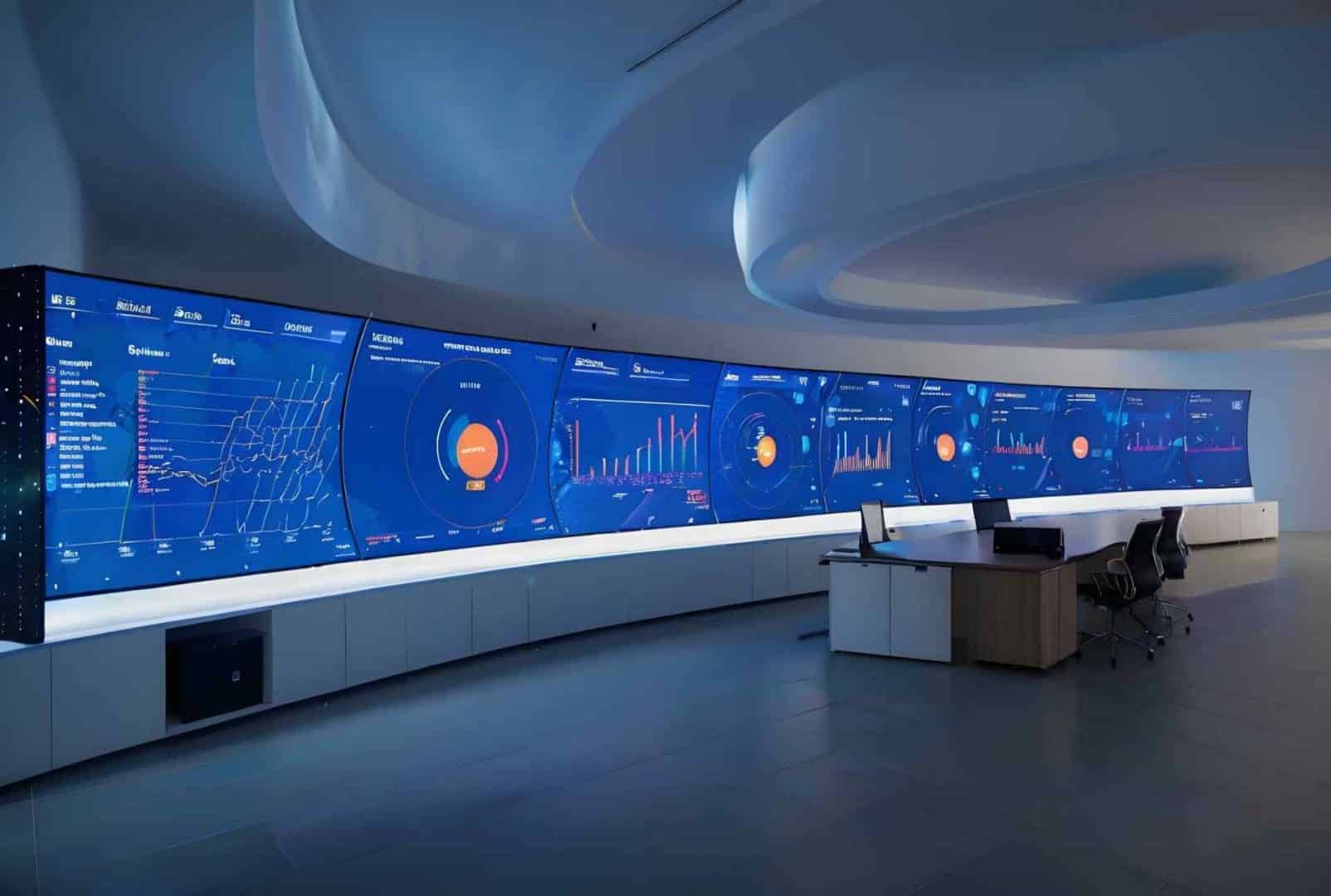
Why Choosing the Right Professional LED Display Screen Matters
Selecting a professional LED display screen involves more than just picking a bright panel—it’s about matching technology to your specific needs for longevity, efficiency, and impact. Professional screens differ from consumer-grade ones in their build quality, customization, and support, often featuring higher brightness, better resolution, and robust warranties. Poor choices can lead to high maintenance costs or suboptimal performance, while the right one can boost engagement by 40% (Statista). Factors like environment (indoor vs. outdoor), purpose (advertising vs. events), and budget play key roles. This guide breaks it down step by step.
Step 1: Understand the Types of Professional LED Display Screens
Knowing the types is the first step in how to choose a professional LED display screen. Here’s a detailed overview:
- Indoor Professional LED Display Screens
Applications: Offices, retail, conferences.
Features: Fine pixel pitches (P0.762–P2.5) for close viewing; lower brightness (800–1,500 nits).
Best For: Controlled environments with detailed content. - Outdoor Professional LED Display Screens
Applications: Billboards, stadiums.
Features: High brightness (5,000–10,000 nits); IP65+ weatherproofing.
Best For: Harsh weather and long-distance visibility. - Transparent Professional LED Display Screens
Applications: Storefronts, architecture.
Features: 50-90% transparency; overlays content on glass.
Best For: Aesthetic integrations. - Flexible Professional LED Display Screens
Applications: Curved installations, events.
Features: Bendable panels; maintains resolution on curves.
Best For: Creative designs. - Rental Professional LED Display Screens
Applications: Temporary events.
Features: Portable with quick setup.
Best For: Short-term use. - High-Resolution Professional LED Display Screens
Applications: Control rooms, broadcasting.
Features: 4K/8K support; fine pitches.
Best For: Detail-oriented tasks.
| Type | Pixel Pitch Range | Brightness (Nits) | Durability Rating | Ideal Applications | Average Cost per m² (USD) |
|---|---|---|---|---|---|
| Indoor | P1.2–P2.5 | 800–1,500 | IP54 | Offices, Retail | $800–$2,000 |
| Outdoor | P4–P10 | 5,000–10,000 | IP67+ | Billboards | $1,000–$3,000 |
| Transparent | P3–P7 | 2,000–5,000 | IP54 | Storefronts | $1,500–$3,500 |
| Flexible | P2–P6 | 1,000–4,000 | IP54 | Events | $1,200–$2,500 |
| Rental | P2.5–P6 | 1,000–6,000 | IP54+ | Temporary | $100–$300 (per day) |
| High-Resolution | P1–P2 | 1,000–3,000 | IP54 | Broadcasting | $2,000–$4,000 |

Step 2: Key Features to Look for in a Professional LED Display Screen
When learning how to choose a professional LED display screen, prioritize these features:
- Pixel Pitch and Resolution: Finer pitches (P0.762) for close views; higher for distance.
- Brightness and Contrast: 1,000+ nits for indoor; 5,000+ for outdoor; high ratios for clarity.
- Refresh Rate: ≥7,680 Hz for smooth motion.
- Viewing Angle: 140°–160° for wide audiences.
- Durability and IP Rating: IP66+ for outdoor; robust frames.
- Energy Efficiency: Low W/m² with certifications.
- Connectivity: HDMI, Wi-Fi, cloud for updates.
- Warranty and Support: 2-5 years with on-site service.
Expert Tip: For the best professional LED display screen for events, choose rental models with high refresh rates.
Step 3: Benefits of Professional LED Display Screens
Professional screens offer:
- High-Quality Visuals: Vibrant and sharp for engagement.
- Durability: Long lifespan reduces costs.
- Energy Savings: 40% less power.
- Customization: Tailor to needs.
- ROI: Boost sales 30%.
Case: Samsung’s installations increase traffic 25%.
Step 4: Applications of Professional LED Display Screens
- Advertising: Billboards.
- Events: Stages.
- Retail: Promotions.
- Corporate: Conferences.
- Public: Info hubs.
Case: Olympics use them for global reach.
Step 5: Technical Specifications to Consider
| Specification | Indoor | Outdoor |
|---|---|---|
| Pixel Pitch | P0.762–P4 | P4–P10 |
| Brightness | 800–1,500 nits | 5,000–10,000 nits |
| Refresh Rate | ≥7,680 Hz | ≥7,680 Hz |
| IP Rating | IP54 | IP67+ |
| Power Consumption | 200–400 W/m² | 400–600 W/m² |
Step 6: Costs of Professional LED Display Screens
$800–$4,000 per m². ROI in 6-12 months.
FAQ: Common Questions on How to Choose a Professional LED Display Screen
- How to choose a professional LED display screen for advertising? Prioritize brightness.
- What is the cost of a professional LED display screen? $800–$4,000 per m².