An LED digital display is a highly versatile and dynamic screen solution that uses light-emitting diodes (LEDs) to deliver vibrant visuals, making it a preferred choice for modern communication, advertising, and entertainment. These displays are widely used in retail, corporate environments, public spaces, events, and more due to their exceptional brightness, durability, and energy efficiency.
In this article, we’ll cover the features, benefits, applications, types, and considerations of LED displays and why they are transforming the way information is presented and consumed.

What Is an LED Digital Display ?
An LED digital display is a screen system that uses LEDs as light sources to emit bright, high-resolution visuals. These displays are modular, meaning they can be assembled to form screens of any size or shape. Unlike traditional LCD screens or projectors, LED displays provide seamless visuals with vibrant colors and superior brightness, making them ideal for both indoor and outdoor environments.
Key Features of LED Digital Displays
LED digital displays stand out due to their advanced capabilities. Here are their key features:
1. High Brightness
LED displays can reach brightness levels of 800–5,000 nits or more, ensuring excellent visibility even in direct sunlight or brightly lit indoor areas.
2. Seamless Modular Design
The modular structure allows the creation of displays in various sizes and shapes, with no visible gaps or bezels, providing a smooth and uninterrupted viewing experience.
3. Exceptional Resolution
With pixel pitches ranging from P0.6–P10, LED digital displays offer incredible image clarity and sharpness, ideal for both close and long-distance viewing.
4. Wide Viewing Angles
LED displays provide clear visuals from a wide range of angles, ensuring that all viewers, regardless of their position, experience the same quality.
5. Energy Efficiency
LED technology consumes less power compared to traditional LCD or projection systems, making it a more eco-friendly and cost-effective option.
6. Durability
Built for long-term use, LED displays are designed to last 50,000–100,000 hours and withstand harsh conditions, such as extreme weather for outdoor screens.
7. Real-Time Content Updates
Content on LED digital displays can be updated in real-time using remote control systems, making them ideal for live announcements, promotions, and events.
8. High Refresh Rate
LED digital displays feature high refresh rates (up to 3,840 Hz) for flicker-free visuals, making them perfect for live events, sports, and videos.
Benefits of LED Digital Displays
LED digital displays offer several advantages over traditional display technologies, making them a popular choice for diverse industries:
1. Enhanced Visibility
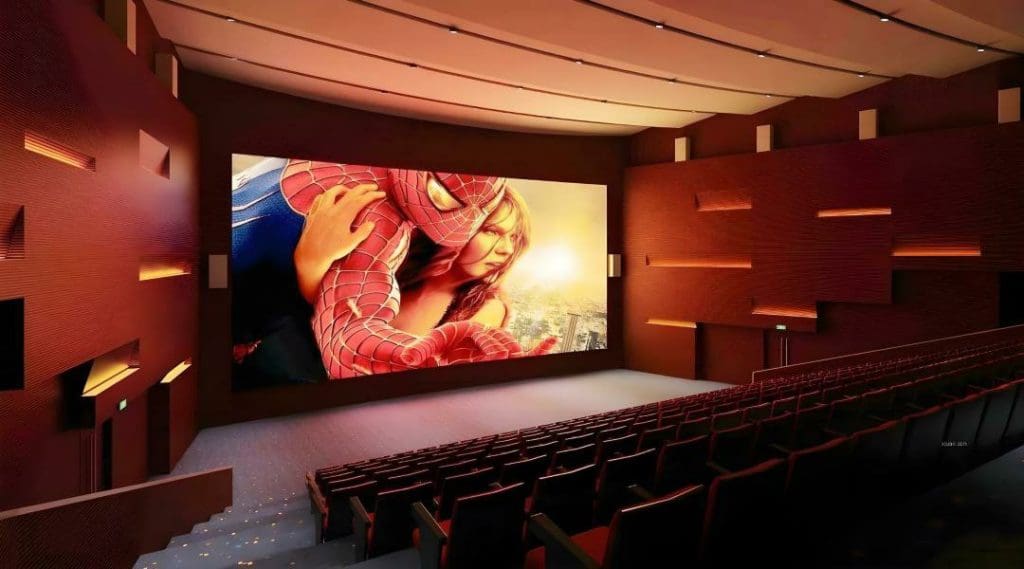
With their high brightness and contrast, LED displays ensure excellent visibility in any lighting condition, whether indoors or outdoors.
2. Versatility
LED digital displays can be tailored to fit various use cases, such as:
- Advertising and promotions.
- Live events and presentations.
- Information delivery in public spaces.
3. Seamless Content Delivery
The gapless design ensures a smooth and immersive viewing experience, making LED digital displays ideal for large video walls or creative layouts.
4. Long-Term Cost Savings
Despite the higher initial investment, LED displays are long-lasting and energy-efficient, reducing maintenance and operational costs over time.
5. Real-Time Interactivity
LED digital displays support interactive content, such as touchscreens, social media walls, or live data feeds, enhancing audience engagement.
6. Scalability
From small indoor screens to massive outdoor billboards, LED digital displays are modular and scalable, allowing businesses to create displays that meet their specific needs.
Applications of LED Digital Displays
LED digital displays are used across a wide range of industries and environments to enhance communication and engagement. Below are some popular applications:
1. Advertising and Marketing
- Digital Billboards: Display dynamic advertisements in high-traffic locations.
- Retail Stores: Promote products, offers, and campaigns with in-store displays.
2. Live Events and Entertainment
- Concerts and Festivals: Use LED displays as stage backdrops or for broadcasting live feeds.
- Sports Venues: Show live scores, replays, and advertisements during games.
3. Corporate Environments
- Conference Rooms: Replace traditional projectors with high – quality LED screens for presentations.
- Reception Areas: Display welcome messages, branding, or company updates.
4. Public Spaces
- Transportation Hubs: Provide real-time schedules, maps, and announcements in airports, train stations, and bus terminals.
- City Squares: Showcase public service announcements, news, or advertising.
5. Education
- Lecture Halls: Deliver clear and engaging lectures and presentations.
- Campus Displays: Share updates, event details, and campus maps.
6. Hospitality
- Hotels: Use LED digital displays in lobbies to showcase amenities, promotions, or events.
- Restaurants: Display digital menus or promotional content.
7. Healthcare
- Hospitals: Share health tips, appointment schedules, or emergency information in waiting areas.
Types of LED Digital Display Screens
LED digital Screens come in different types to suit various applications:
1. Indoor LED Displays
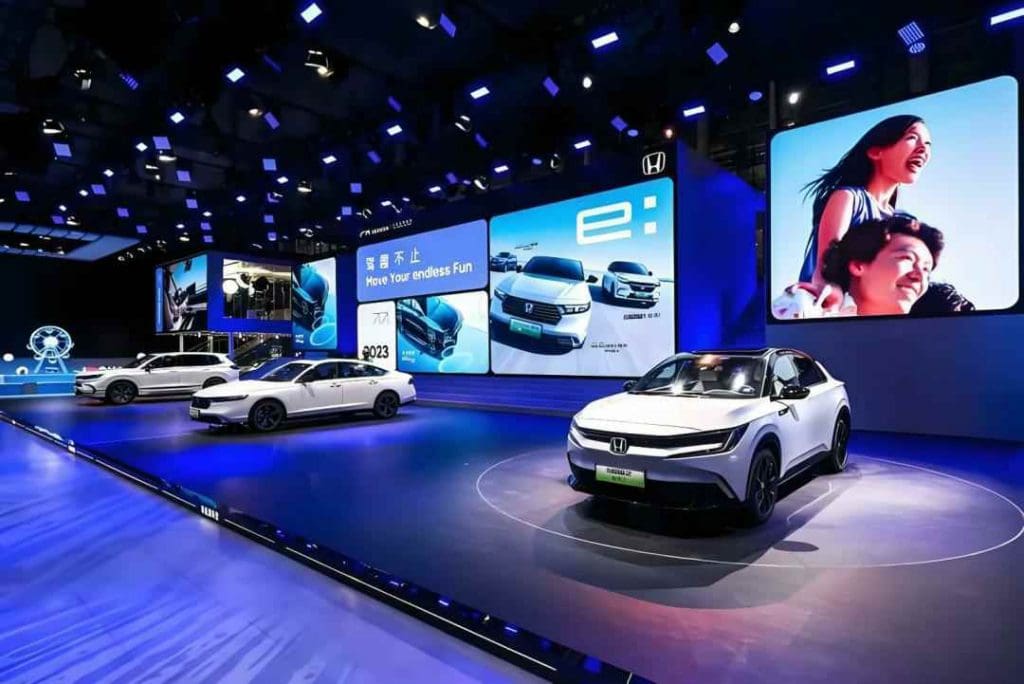
- Best For: Retail, corporate offices, and auditoriums.
- Features: High resolution (P0.6–P5) and optimized for close viewing distances.
2. Outdoor LED Displays
- Best For: Digital billboards, stadiums, and public spaces.
- Features: High brightness (3,000–5,000 nits), weatherproof design, and durability for extreme environments.
3. Transparent LED Displays
- Best For: Glass facades and storefronts.
- Features: Semi-transparent panels that allow light to pass through while displaying vibrant visuals.
4. Curved LED Displays
- Best For: Creative and immersive designs.
- Features: Flexible panels that can form concave or convex shapes.
5. Flexible LED Displays
- Best For: Unique and unconventional layouts.
- Features: Bendable panels for customized installations.
6. Rental LED Displays
- Best For: Temporary events like trade shows, concerts, or conferences.
- Features: Lightweight and portable, with quick setup and teardown.
Factors to Consider When Choosing an LED Digital Display
When selecting an LED digital display, consider the following factors to ensure it meets your requirements:
1. Pixel Pitch
- P0.6–P5: Ideal for close viewing distances (indoor use).
- P2–P10: Suitable for long-distance viewing (outdoor use).
2. Brightness
- Indoor Screens: Require brightness levels of 800–1,500 nits.
- Outdoor Screens: Need brightness levels of 4,000–10,000 nits for visibility in sunlight.
3. Screen Size
Choose a screen size that fits the space and ensures visibility for your target audience.
4. Durability
For outdoor displays, ensure the screen is weatherproof with an IP65 or higher rating to withstand rain, dust, and heat.
5. Refresh Rate
A refresh rate of 3,840 Hz or higher ensures smooth motion and flicker-free visuals, especially for video playback or live broadcasts.
Cost of LED Digital Displays
The cost of an LED digital display depends on factors like size, resolution, and features. Here’s a general price guide:
| Screen Type | Pixel Pitch | Cost per m² (USD) | Best For |
|---|---|---|---|
| Indoor LED Display | P0.6–P5 | $1,000–$5,000 | Retail, corporate offices, auditoriums. |
| Outdoor LED Display | P2–P10 | $1,000–$3,000 | Billboards, stadiums, public spaces. |
| Transparent LED Display | P3–P7 | $1,000–$3,500 | Glass facades, creative storefronts. |
| Curved LED Display | P1.2–P10 | $1,500–$3,000 | Artistic displays, immersive designs. |
| Rental LED Display | P1.25–P4.8 | $1,500–$3,000 | Temporary events and trade shows. |