An outdoor LED screen for advertising is a powerful marketing tool that uses high-resolution LED technology to deliver vivid visuals, videos, and dynamic messages in outdoor environments. These digital billboards are designed to capture attention, engage audiences, and maximize the reach of advertising campaigns in high-traffic locations such as highways, city centers, and shopping districts. With their superior brightness, durability, and versatility, outdoor LED Display screens have become the standard for modern outdoor advertising.
In this guide, we’ll explore the features, benefits, applications, and considerations for choosing an outdoor LED screen for advertising.
What Is an Outdoor LED Screen for Advertising?
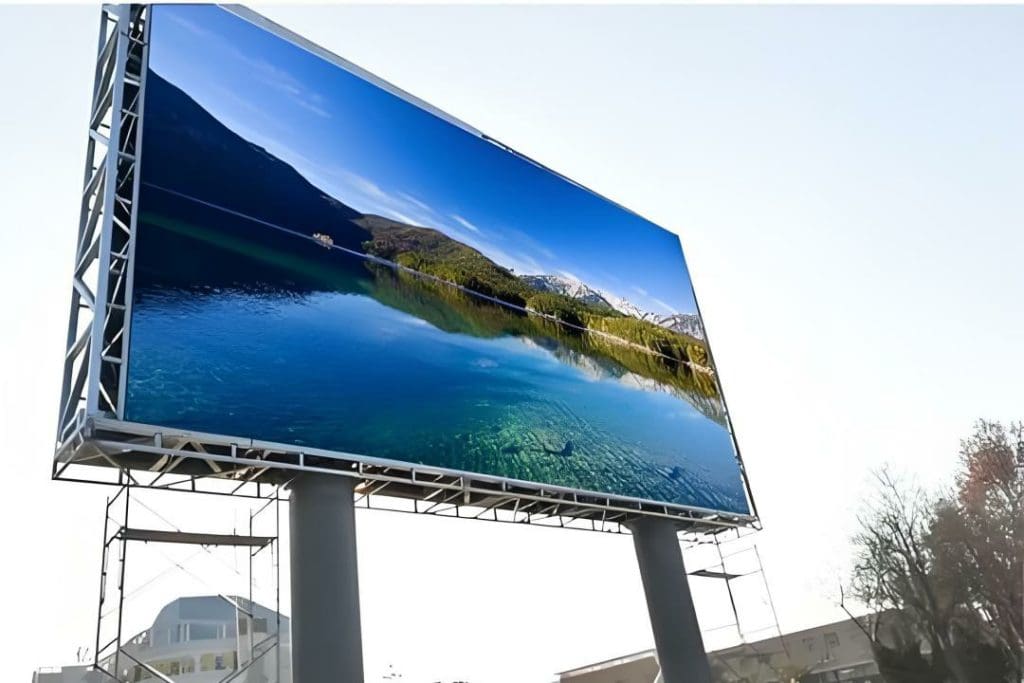
An outdoor LED advertising screen is a large, weatherproof digital screen designed for outdoor environments. It uses light-emitting diodes (LEDs) to display high-quality content, such as videos, images, animations, and text. These screens are ideal for advertising campaigns as they offer dynamic and engaging content delivery, unlike static billboards.
Key Features of Outdoor LED Advertising Screens
Outdoor LED screens are built with advanced features to ensure high visibility, durability, and performance:
1. High Brightness
With brightness levels ranging from 3,000 to 6,000 nits, outdoor LED screens remain visible even in direct sunlight, ensuring your message is always clear and impactful.
2. Weatherproof Design
Outdoor LED screens are designed to withstand harsh weather conditions such as rain, dust, wind, and extreme temperatures. They typically have an IP65 or higher rating for water and dust resistance.
3. High Resolution
Depending on the viewing distance, outdoor LED screens offer pixel pitches ranging from P3 to P10, ensuring sharp and clear visuals for audiences.
4. Wide Viewing Angles
Most outdoor LED screens provide 160–180° viewing angles, ensuring that the content is visible to people from multiple directions.
5. Modular and Customizable
Outdoor LED screens are made up of modular panels, allowing for flexible sizes and shapes to fit specific advertising spaces.
6. Dynamic Content
Unlike static billboards, outdoor LED screens can display rotating ads, videos, animations, and real-time updates, increasing audience engagement.
7. Energy Efficiency
Modern outdoor LED screens are energy-efficient, reducing operational costs for long-term advertising campaigns.
8. Remote Content Management
Content can be updated remotely via Wi-Fi, 4G/5G, or cloud-based systems, allowing advertisers to change messages or schedules in real-time.
Benefits of Outdoor LED Advertising Display Screens
Outdoor LED screens offer numerous advantages over traditional static billboards or other forms of outdoor advertising:
1. High Visibility
With their exceptional brightness and vivid colors, outdoor LED screens ensure your advertising message is visible and eye-catching, even in bright daylight.
2. Dynamic and Engaging Content
The ability to display videos, animations, and rotating ads makes outdoor LED screens more engaging and memorable compared to static advertisements.
3. Multi-Advertiser Capability
Digital billboards can display multiple ads on a single screen, allowing for better monetization and more cost-effective campaigns.
4. Real-Time Updates
Advertisers can update content instantly, making it easy to adjust campaigns, add promotions, or display time-sensitive messages.
5. Cost Efficiency
Although the initial investment may be higher, outdoor LED screens eliminate recurring costs of printing and replacing static billboards, providing excellent ROI over time.
6. Long-Term Durability
Built to last, outdoor LED screens are resistant to weather and wear, ensuring reliable operation for years.
7. Increased Audience Reach
Strategically placed outdoor LED advertising Display screens in high-traffic areas can reach thousands or even millions of viewers every day, maximizing exposure.
Applications of Outdoor LED Advertising Screens
Outdoor LED advertising Display screens are used in a variety of settings to target large audiences and enhance advertising campaigns:
1. Roadside Digital Billboards
- Highways and Busy Roads: Capture the attention of drivers and pedestrians with dynamic ads in high-traffic locations.
2. Urban Centers and City Squares
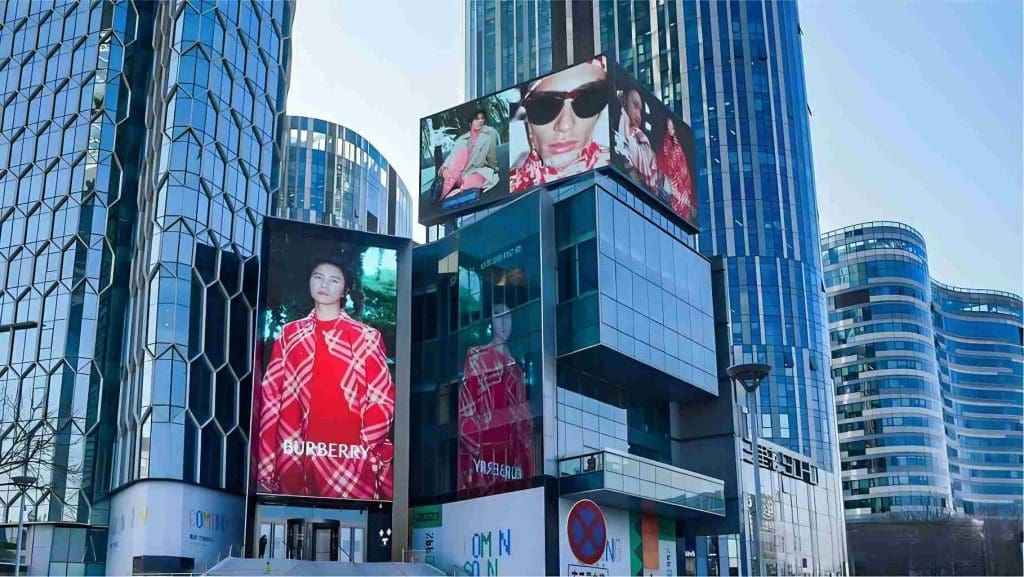
- Downtown Areas: Use large-format LED screens to advertise products, services, or events to urban audiences.
3. Retail and Shopping Districts
- Mall Exteriors: Promote sales, discounts, and brand messaging outside retail centers.
- Storefronts: Attract customers with bright, engaging visuals.
4. Stadiums and Sports Venues
- Game Day Advertising: Display sponsor messages, product promotions, or live game updates on large LED screens.
5. Airport and Transit Advertising
- Public Transport Hubs: Display ads on LED screens in airports, train stations, and bus terminals to target travelers.
6. Community and Public Messaging
- Local Events and Announcements: Share public service information, weather updates, or emergency alerts on LED screens in public spaces.
Types of Outdoor LED Advertising Screens
Here are the types of outdoor LED screens commonly used for advertising:
1. Fixed LED Screens
- Best For: Permanent installations like digital billboards.
- Features: High brightness, weatherproofing, and durability.
2. Portable LED Screens
- Best For: Temporary events or mobile advertising campaigns.
- Features: Lightweight and easy to transport or set up.
3. Video Walls
- Best For: Large-scale displays in stadiums or urban centers.
- Features: Modular panels that can create massive, seamless screens.
4. Transparent LED Screens
- Best For: Glass facades or modern architectural designs.
- Features: Semi-transparent panels that display content while allowing natural light to pass through.
5. Curved LED Screens
- Best For: Creative and immersive advertising installations.
- Features: Flexible panels that can form concave or convex shapes.
Factors to Consider When Choosing an Outdoor LED Screen
When selecting an outdoor LED screen for advertising, consider the following factors:
1. Pixel Pitch
The pixel pitch determines the screen’s resolution and viewing distance:
- P3–P6: Best for close to mid-range viewing (e.g., urban areas, stadiums).
- P6–P10: Suitable for long-distance viewing (e.g., highways, large billboards).
2. Brightness
Ensure the screen has adequate brightness for outdoor visibility:
- 3,000–6,000 nits is ideal for outdoor advertising screens.
3. Screen Size
Choose a size appropriate for the location and audience:
- Small Screens: Suitable for storefronts or compact areas.
- Large Screens: Ideal for highways, stadiums, or urban squares.
4. Weather Resistance
Look for screens with an IP65 or higher rating to ensure protection against water, dust, and extreme weather.
5. Content Management
Ensure the screen supports:
- Remote content updates via Wi-Fi or 4G/5G.
- Scheduling tools for automated ad rotation.
6. Durability
Choose a screen with robust materials and efficient heat dissipation systems to handle continuous outdoor use.
7. Energy Efficiency
Opt for energy-efficient screens to reduce operational costs.
Cost of Outdoor LED Advertising Screens
The cost of outdoor LED advertising screens depends on factors like size, pixel pitch, and additional features. Below is an approximate price range:
| Screen Type | Pixel Pitch | Cost per m² (USD) | Best For |
|---|---|---|---|
| Fixed LED Screen | P3–P6 | $3,000–$6,000 | Billboards, public spaces, events. |
| Portable LED Screen | P4–P8 | $4,000–$7,000 | Temporary campaigns or events. |
| Video Wall | P3–P6 | $3,500–$7,000 | Large-scale displays in urban areas. |
| Transparent LED Screen | P3–P7 | $4,500–$8,000 | Glass facades or creative designs. |
| Curved LED Screen | P2–P6 | $3,500–$8,000 | Immersive and architectural displays. |