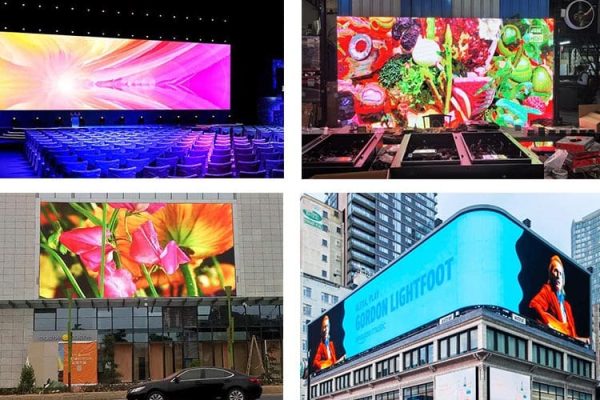
Finding the right LED screen manufacturer is essential for obtaining digital displays that meet your unique requirements. Manufacturers play a crucial role in designing, producing, and delivering LED panels for a variety of industries, including advertising, events, retail, architecture, and more.
This guide explores what to look for in a reliable LED screen manufacturer, the types of screens they produce, and the benefits of partnering with a trusted supplier.
What Does an LED Screen Manufacturer Do?
An LED screen manufacturer specializes in designing, producing, and delivering digital display solutions tailored to their clients’ needs. Their expertise includes:
- Custom Design: Creating LED screens that fit specific dimensions, shapes, and functionalities.
- Production: Using advanced technology to manufacture high-quality panels with durable components.
- Installation Support: Providing guidance or services to ensure seamless setup.
- After-Sales Service: Offering maintenance, repairs, and technical support for long-term use.
Key Features of a Reliable LED Screen Manufacturer
When choosing a manufacturer, consider the following qualities to ensure you’re working with a reputable provider:
1. Customization Capabilities
- Ability to design tailored LED screens for specific projects like curved, transparent, or irregularly shaped displays.
2. High-Quality Components
- Screens made with durable materials that ensure long lifespans and consistent performance.
3. Advanced Technology
- Manufacturers should offer modern features like high refresh rates, energy efficiency, and seamless modular designs.
4. Global Standards
- Look for certifications like ISO, CE, FCC, or RoHS, which indicate compliance with international quality and safety standards.
5. Comprehensive Services
- Includes design consultations, installation guidance, and post-purchase support.
6. Competitive Pricing
- Offers cost-effective solutions without compromising on quality.
Types of LED Screens Produced by Manufacturers
| Type | Description |
|---|---|
| Indoor LED Screens | High-resolution displays for close viewing in retail, events, or offices. |
| Outdoor LED Screens | Weatherproof and bright screens designed for outdoor advertising and events. |
| Transparent LED Screens | Semi-transparent panels ideal for glass walls and modern architectural designs. |
| Flexible LED Screens | Bendable panels for curved or cylindrical installations. |
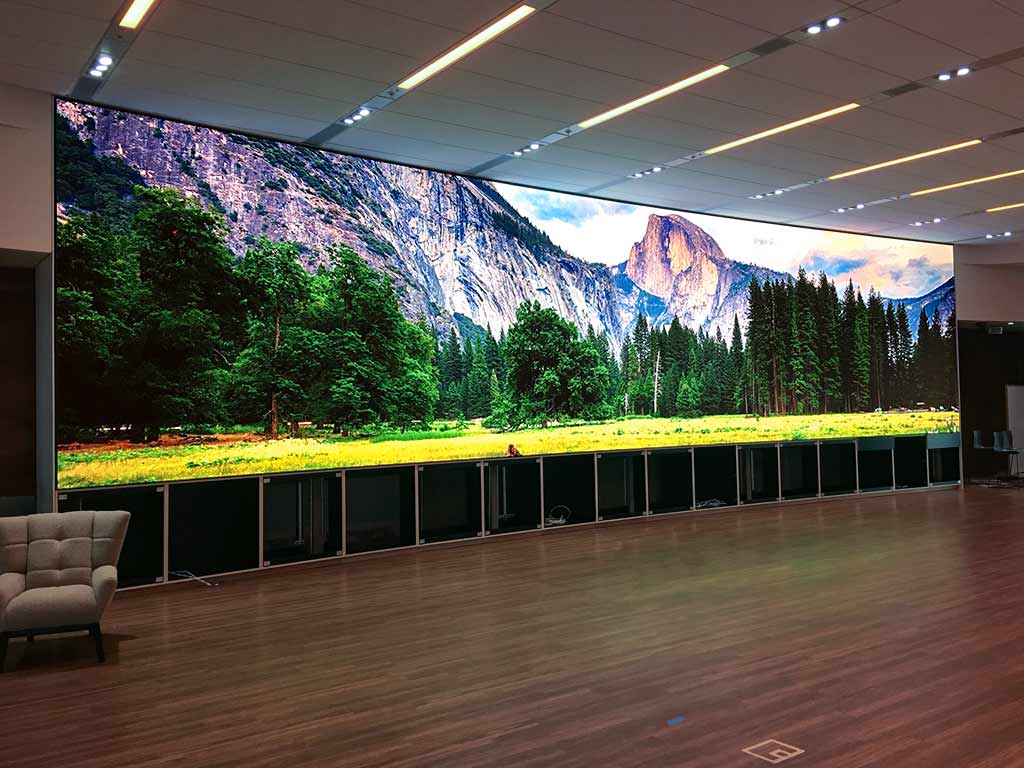
| LED Video Walls | Large, seamless displays made from modular panels, perfect for events or venues. |
| Interactive LED Screens | Touch-enabled displays for retail, education, and exhibitions. |
Benefits of Partnering with a Trusted LED Screen Manufacturer
- Tailored Solutions
- Work with experts to design screens that align with your specific needs, from size and pixel pitch to installation type.
- High-Performance Panels
- Receive screens with vibrant colors, sharp resolution, and reliable performance for any environment.
- Cost Efficiency
- Manufacturers often provide direct pricing, eliminating middlemen and reducing costs.
- Long-Term Support
- Reputable manufacturers offer warranties, maintenance services, and technical assistance to maximize product lifespan.
- Diverse Applications
- Manufacturers supply screens for a variety of industries, including retail, events, sports, and public spaces.
How to Choose the Best LED Screen Manufacturer
1. Research and Reputation
- Check reviews, testimonials, and case studies to evaluate the manufacturer’s track record.
2. Product Range
- Opt for manufacturers that offer a wide range of LED solutions, from indoor video walls to outdoor billboards.
3. Technical Expertise
- Ensure the manufacturer uses advanced technology, such as high refresh rates (≥3840 Hz), energy-efficient panels, and weatherproof designs.
4. Customization Options
- Look for manufacturers that can create tailored screens to fit unique project requirements.
5. After-Sales Service
- Choose a company with strong post-purchase support, including maintenance and replacement parts.
6. Certifications
- Verify certifications (e.g., ISO, CE, FCC) to ensure compliance with global quality and safety standards.
Top Applications for LED Screens
- Advertising
- Billboards, digital signage, and storefront displays.
- Events and Entertainment
- LED video walls for concerts, conferences, and trade shows.
- Retail
- Transparent or flexible panels for in-store promotions and displays.
- Architecture
- Seamlessly integrated LED screens for building facades or modern designs.
- Public Spaces
- Large video screens for stadiums, transportation hubs, and city centers.
Cost of LED Screens
1. Price Per Square Meter
| Pixel Pitch | Use Case | Estimated Cost per m² |
|---|---|---|
| P0.6–P2 | High-resolution indoor use | $3,000–$6,000 |
| P2.5–P6 | Medium-distance viewing | $2,500–$4,500 |
| P8–P10 | Outdoor large-scale displays | $2,000–$3,500 |
2. Additional Costs
- Steel Structures: $5,000–$20,000 for mounting systems.
- Installation: $5,000–$50,000 depending on project size and complexity.
- Content Management Systems: $2,000–$10,000 for software and hardware setup.
- Maintenance: Annual costs typically 5%–10% of the total screen price.